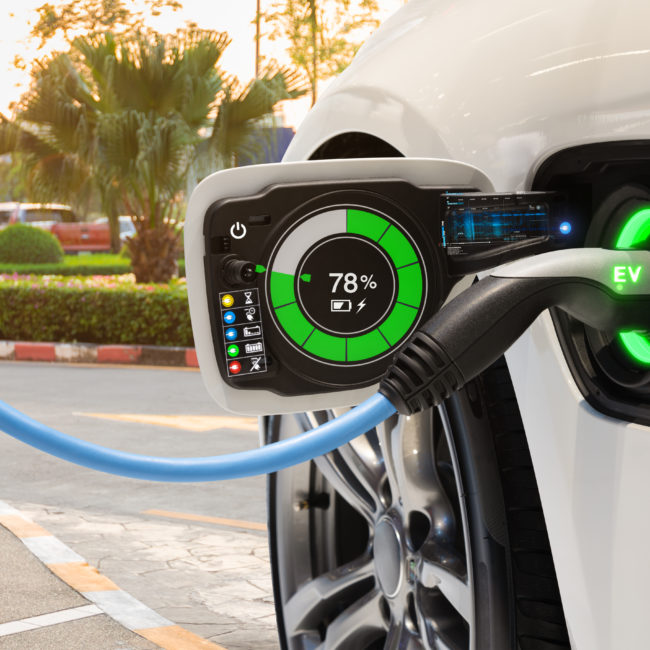
What is the Everledger Battery Passport?
The Everledger Battery Passport is a technology platform that enables all stakeholders in the supply and value chains to share information about a battery and its history to maximize safety, optimize battery use throughout lifecycles and ensure responsible recycling at end of life. Battery minerals, battery packs and key components (modules, cells) are IoT enabled so data can be shared between qualified stakeholders on a distributed ledger or blockchain. All stakeholders have access to this permissioned data in real time, and the data is immutable.
How does the Everledger Battery Passport support compliance?
The European Commission and the Global Battery Alliance have recognized the Battery Passport as the best tool to support the 3 pillars of an electric vehicle battery circular economy.
Provenance of Battery Minerals from the Mine
Documented, verified, responsible sourcing of critical battery minerals from the mine is key for understanding the source of minerals and the practices around mining operations. This is the first step to preventing child labor and supporting human rights.
Traditional methods of accomplishing this involve manual efforts of gathering data, measuring and calculating impacts and in-depth audits where thousands of individual documents must be gathered and analyzed. Everledger combines multiple data types permissioned from our ecosystem as well as public and private data.
We leverage our existing emerging technology applications to efficiently read, track and report the data sources and types to our data users. This type of approach allows for increasing improvements in data and enables more and more data providers to become comfortable with measuring and reporting.
EV Battery Lifecycle Management
Optimum battery lifecycle management, life extension and assurance of responsible recycling are all given prominent attention in the EU Battery Regulation. Measures include a new reporting system to document battery collection and recycling rates and requirements that batteries are designed to meet recycling efficiencies and specific recovery rates for key battery minerals. Manufacturers will also have to declare levels of recycled content in batteries.
Supported by blockchain technology, the Battery Passport collects, validates and shares this information with permissioned stakeholders, reducing compliance costs and making it easier for EV manufacturers and consumers to quickly make responsible purchasing decisions.
Greenhouse Gas Accounting
“Mandatory carbon footprint declaration” is another provision of the EU Battery Regulation, along with establishing carbon footprint performance classes and maximum carbon thresholds as a condition for placement on the market. Transparency of carbon footprint from manufacturing will also be required.
Looking in-depth into the Greenhouse Gas (GHG) reporting requirements from various regulations and considering the general industry-wide progress on GHG reporting, the EU Taxonomy and the EC Battery Directive will be challenging for companies to adapt to in a short period of time without using adequate technologies to help substantiate sustainability claims – like those enabled by the Everledger Passport.
Case Studies
Greenhouse Gas Emissions
Carrie George, the Vice President and Head of Sustainability & Impact at Everledger, said in her interview with the Center for Climate and Energy Solutions (C2ES), “There’s no perfect data. There’s better, valuable, and reasonable data that is applicable to the supply chain”. With the increasing general public demand for corporations to play positive environmental roles, there are countless companies committed to accelerating the transition to zero-carbon across their value chains and operations.
European compliance for electric vehicles
While COVID-19 caused a global slump in the automotive market last year, electric vehicle (EV) sales actually increased 45% year-on-year in Europe, passing 15% of total market share. This rapid growth in the EV industry is pushing battery repurposing, recycling and disposal up the agenda. The European Commission has taken proactive measures to regulate the expected 14-fold growth in EV and portable batteries over the next decade, as part of its European Green Deal to achieve climate neutrality and zero pollution targets by 2050.